Low-Smoke Ritual Fuel: 37% Emissions Reduction, Higher Devotee Satisfaction
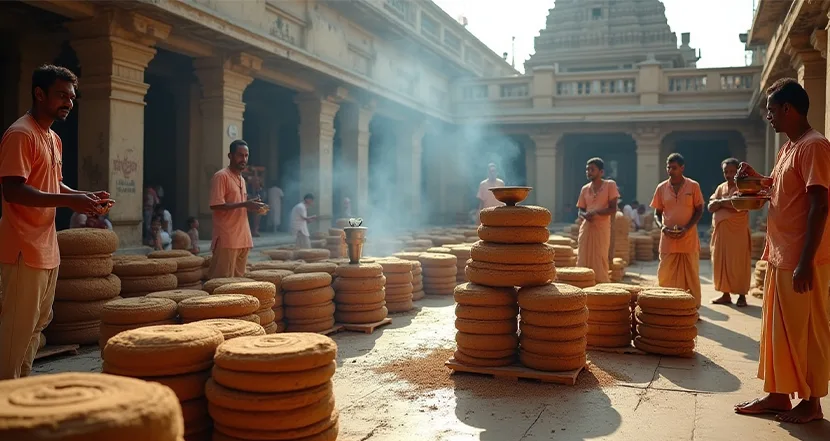
Standardized pressing, drying controls, and ventilated transport crates produced steadier
burn, reduced visible smoke, and improved devotee feedback; bulk contracts stabilized
monthly throughput.
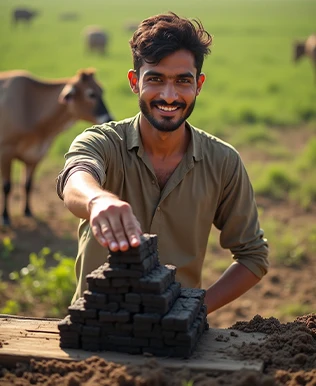
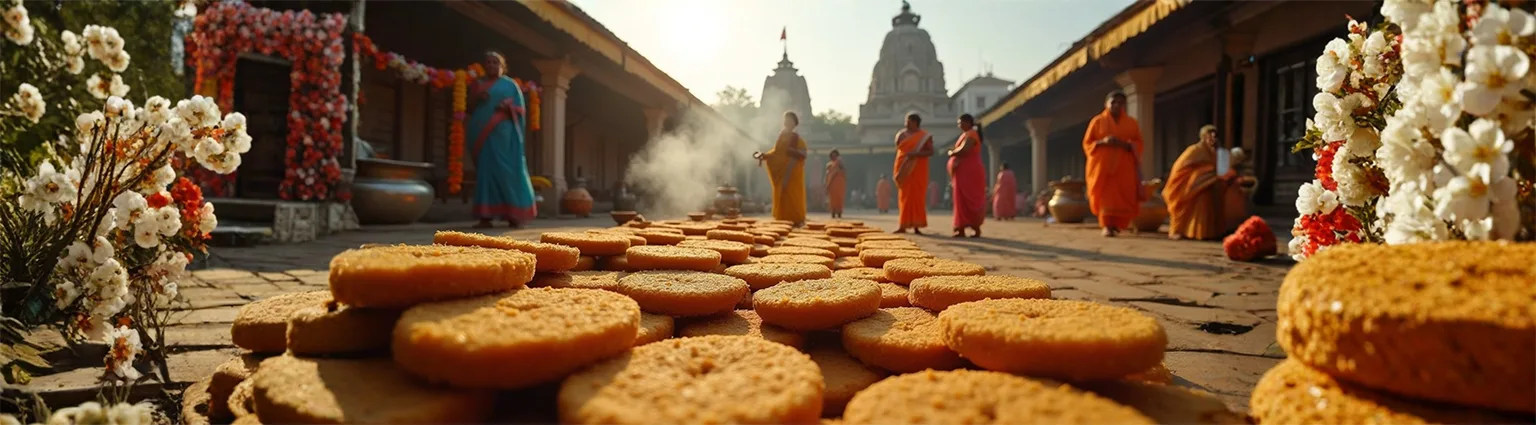
Challenge: Ritual authenticity with better air quality. Intervention: Upgraded pressing pressure
and drying window to hit moisture targets; adopted ventilated crates for transport to prevent
mold. Conducted side-by-side burn tests versus firewood and low-quality cakes, measuring
ignition time, smoke opacity, and burn duration. Training for temple staff on stacking and
airflow further improved outcomes.
Detailed Overview
Results: Average visible smoke reduction ~37%; burn steadiness improved, reducing mid-ritual
interruptions. Devotee satisfaction surveys cited “cleaner ambiance.” Commercially, bulk monthly
contracts (temples/community kitchens) created predictable demand lanes and allowed planned
production cycles, trimming overtime costs.
Actions:
(1) Pressing pressure and drying window optimized to meet moisture targets
for steadier burn.
(2) Ventilated crates for mold-free transport and storage; FIFO rotation and
pest control SOPs implemented.
(3) Side-by-side burn tests to compare smoke, ignition, and duration versus
firewood and low-quality cakes.
(4) Staff training on stacking and airflow; festival surge buffers prepared.
Results:
37% visible smoke reduction; burn steadiness increased, fewer ritual interruptions. Devotee
satisfaction improved with cleaner ambiance. Bulk monthly contracts stabilized production cycles
and lowered overtime costs. Safety SOPs minimized pest issues and reduced waste.
Lessons:
Standardization, transport ventilation, and staff training maximize performance and ritual
satisfaction. Festival buffers and co-branded donation drives can scale clean ritual programs.
Composting closure for ash completes the sustainability cycle.


 150000+